Best Electric Cars · EVCar Data Desk
2027 Volvo EX90 and BMW M5 EPA Range and Recall Facts Compared
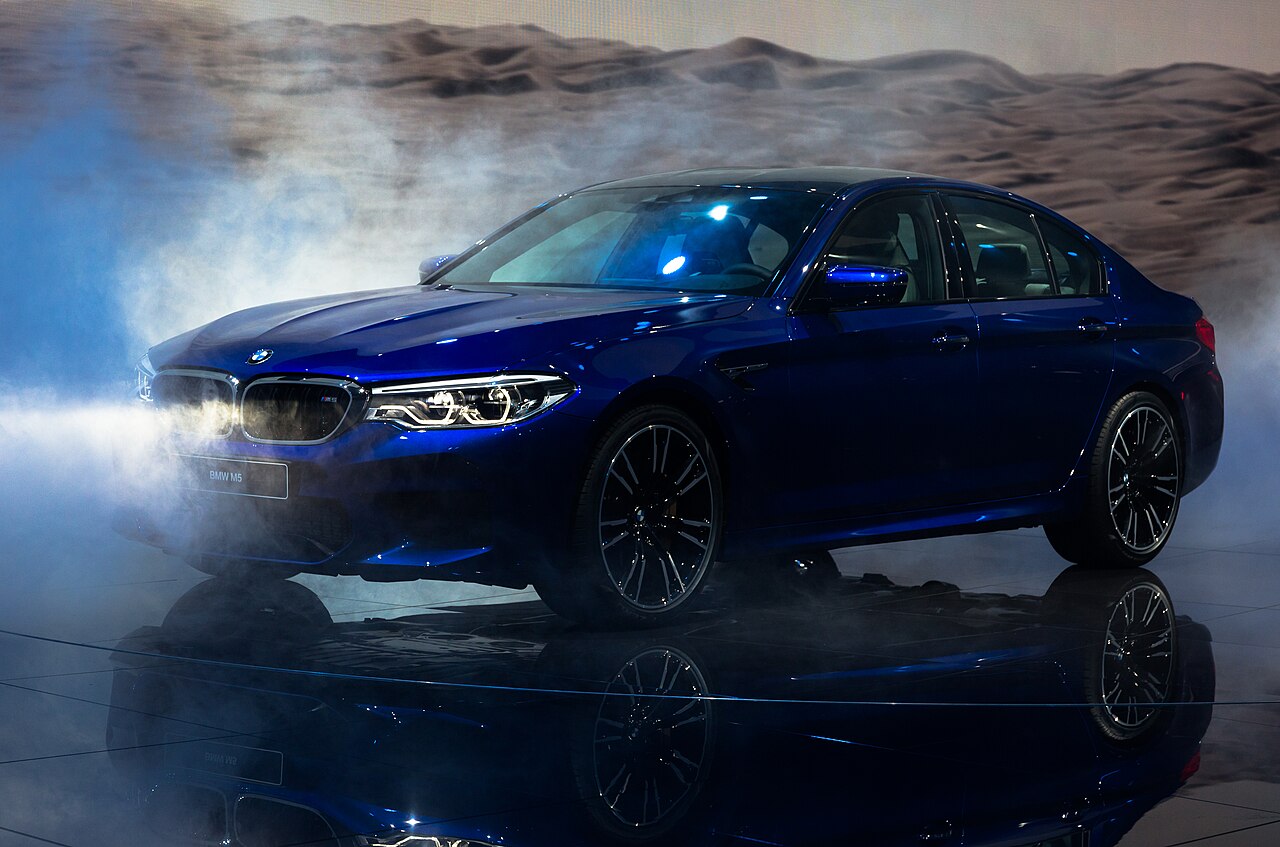
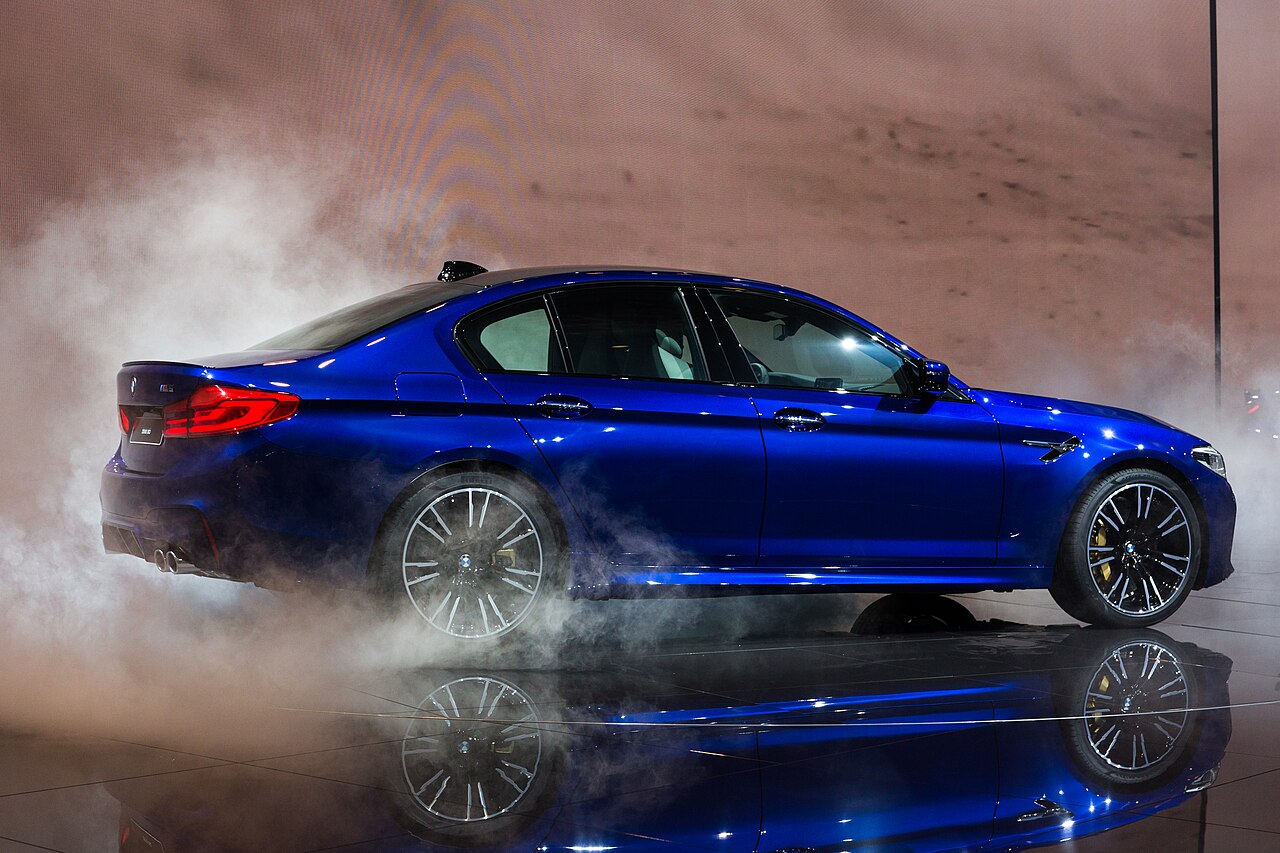
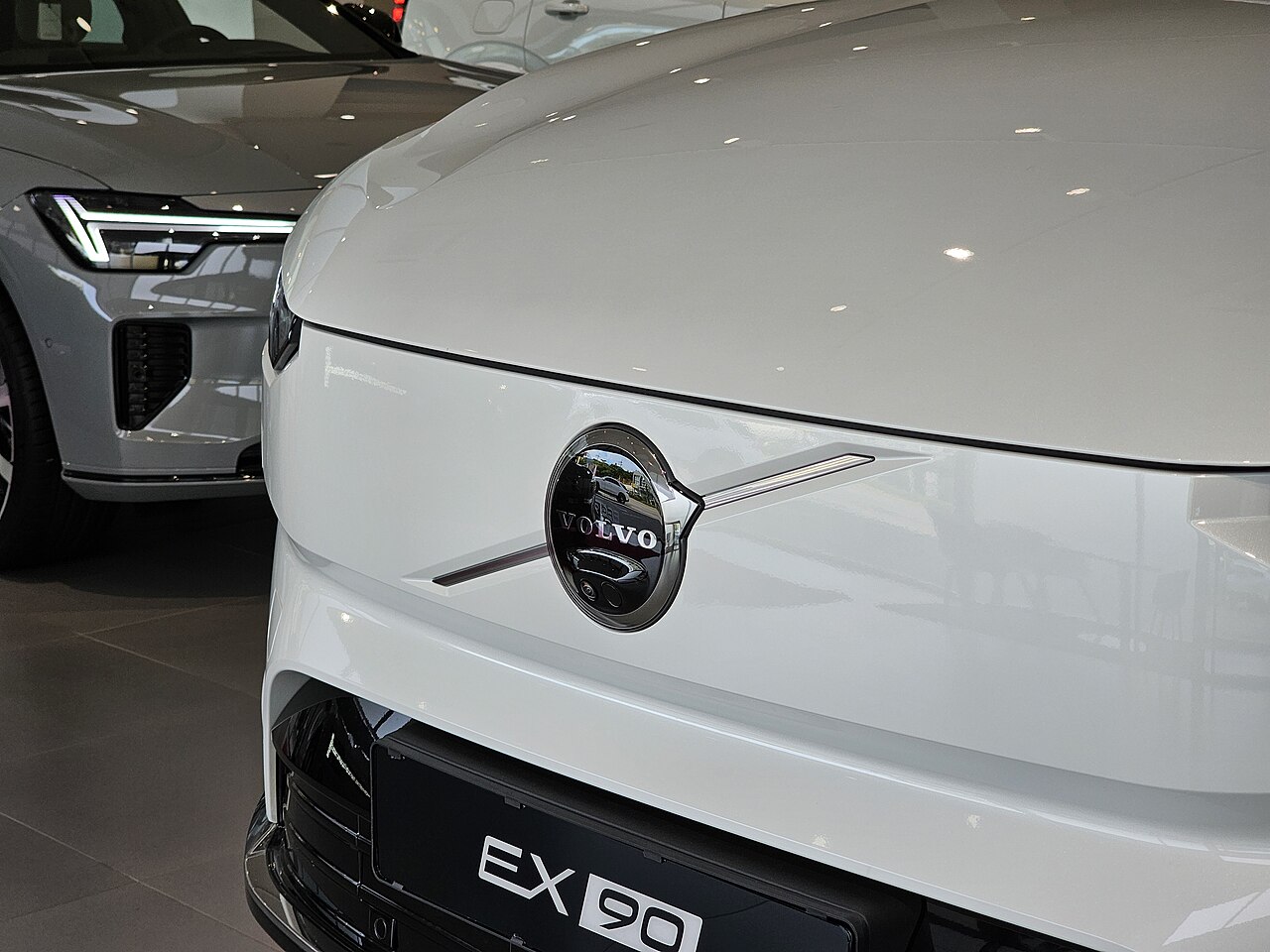
If your priority is electric range and energy efficiency, the 2027 Volvo EX90 SUV significantly outpaces the BMW M5 sedan. The Volvo's EPA estimated driving range reaches 310 miles, exceeding the M5's 280 miles. Meanwhile, each vehicle currently holds 0 recalls, indicating clean safety records from the NHTSA at this time.
Key Findings
- The Volvo EX90 provides an EPA range of 310 miles, outdistancing the BMW M5's 280 miles.
- Volvo's combined MPGe stands at 89 MPGe versus BMW's 14 MPGe, showing stark efficiency contrasts.
- Both 2027 models have zero open recalls reported by NHTSA.
- The Volvo charges on a 240V level 2 charger in about 11 hours; the BMW M5 reports a notably shorter 2-hour charge time.
- City and highway MPGe also reveal major differences, with Volvo achieving 94 and 83 MPGe respectively, while BMW posts 12 city and 19 MPGe highway.
EPA Range Comparison: Volvo EX90 vs BMW M5
The Volvo EX90's EPA-rated range of 310 miles makes it the superior choice for those who prioritize distance between charges in their vehicle, especially in an SUV package. The BMW M5, although a midsize sedan, achieves a somewhat lower EPA range of 280 miles, still respectable but less enabling for long trips without charging.
Efficiency Differences by MPGe
The combined MPGe metric encapsulates overall efficiency. Here, the Volvo's 89 MPGe far surpasses the M5's 14 MPGe. This suggests the Volvo uses electric energy much more economically, translating into fewer charging sessions and lower energy costs per mile.
Breaking this down, in city driving the Volvo scores 94 MPGe versus the M5’s 12 MPGe, while on the highway the Volvo manages 83 MPGe compared to BMW’s 19 MPGe. These values affirm Volvo’s efficiency advantage in diverse driving conditions.
Charging Time Considerations
The Volvo EX90 requires around 11 hours to fully charge on a 240V (Level 2) charger. The BMW M5 can charge significantly faster, in approximately 2 hours on the same voltage, indicating a differing battery capacity or charging technology. Buyers should weigh the tradeoff between longer range and slower charging (Volvo) versus shorter range and faster charge completion (BMW).
Recall Information and Vehicle Reliability
Neither the Volvo EX90 nor the BMW M5 has any open recalls according to the NHTSA as of the latest data. This parity suggests both models pass initial safety and reliability screenings with no widespread defects prompting government action.
Who Each Vehicle Suits
The Volvo EX90 is ideal for buyers seeking a longer EPA range and excellent energy efficiency in a modern, fully electric SUV form factor. Its extended range supports longer trips with fewer charges. However, the slower level 2 charging time means it’s better suited to those who can charge overnight or have regular access to faster charging facilities.
Conversely, the BMW M5, while sporting a lower electric range and efficiency, can recharge faster, which might appeal to drivers needing shorter recharge stops and who prefer a high-performance midsize sedan layout over an SUV.
Summary Table of EPA Range, MPGe, Charging, and Recalls
| Specification | 2027 Volvo EX90 | 2027 BMW M5 |
|---|---|---|
| EPA Range | 310 miles | 280 miles |
| Combined MPGe | 89 MPGe | 14 MPGe |
| City MPGe | 94 MPGe | 12 MPGe |
| Highway MPGe | 83 MPGe | 19 MPGe |
| 240V Charge Time | 11 hours | 2 hours |
| NHTSA Recalls | 0 recalls | 0 recalls |
Frequently Asked Questions
Which vehicle has the longer electric range?
The 2027 Volvo EX90 offers a longer EPA range at 310 miles, compared to the BMW M5’s 280 miles.
How do their efficiencies compare?
The Volvo EX90 is much more efficient, with 89 MPGe combined, whereas the BMW M5 has 14 MPGe.
Do either model have recall issues?
Neither has any NHTSA recalls at the time of the data retrieval.
Which charges faster on a 240V charger?
The BMW M5 charges faster, completing a full charge in about 2 hours, compared to the Volvo EX90’s 11 hours.
What type of buyers suit each vehicle best?
The Volvo EX90 suits those needing longer range and efficiency, often for longer drives or SUV practicality, while the BMW M5 may appeal to those preferring faster charge times and sedan dynamics.
Conclusion: Balancing Range, Efficiency, and Charging
The 2027 Volvo EX90 Twin Motor SUV clearly leads in EPA electric range and energy efficiency, making it a standout for buyers focused on minimizing charging stops and energy consumption. Its SUV body style and zero recalls further enhance its appeal for family and utility use.
The BMW M5 sedan, while offering brisker charging and zero recalls, trails significantly in electric driving range and MPGe efficiency metrics, pointing to a focus on traditional performance sedan attributes rather than maximum range or electric efficiency.
Ultimately, prospective buyers should consider their driving habits: those planning longer trips or prioritizing electric economy may prefer the Volvo EX90, whereas those valuing faster recharging and sedan driving dynamics might lean toward the BMW M5 despite its lower efficiency.
Data Sources
- EPA Fuel Economy and Range Data (retrieved 2026-08-17)
- NHTSA Recall Data (retrieved 2026-08-17)