Best Electric Cars · EVCar Data Desk
BMW 550e vs Volvo EX90: EPA Range and Recall Data for 2027 EVs Compared
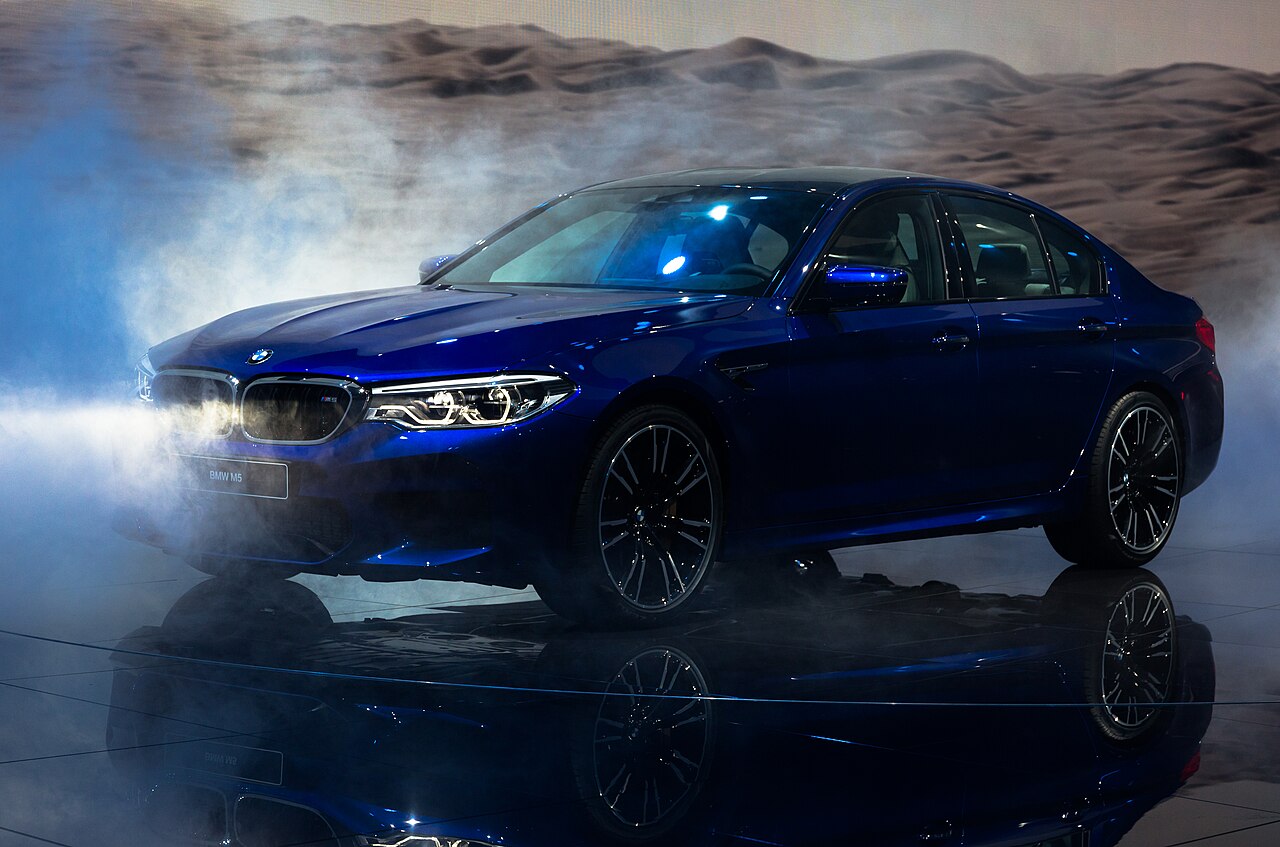
When choosing between the 2027 BMW 550e and the 2027 Volvo EX90, buyers face distinct trade-offs in EPA range, energy efficiency, and charging time. The BMW 550e provides a much longer EPA-estimated range at 430 miles, outpacing the Volvo EX90's 310 miles. Conversely, the Volvo EX90 scores significantly better on overall energy efficiency with a combined rating of 89 MPGe compared to the BMW's 25 MPGe. Both report zero recalls in the NHTSA database for 2027 model year vehicles.
Key Findings
- The BMW 550e offers an EPA range of 430 miles, roughly 39% greater than the Volvo EX90's 310 miles.
- Volvo EX90 is more energy-efficient with a combined MPGe of 89, versus BMW's 25.
- Charging times at 240V (Level 2) differ significantly: Volvo EX90 takes about 11 hours to charge, whereas BMW 550e charges in approximately 2 hours.
- Neither vehicle has any recorded NHTSA recalls as of now.
- City and highway MPGe ratings favor Volvo EX90 for urban use but show mixed results on highway.
EPA Range Comparison
Range is a critical consideration. The 2027 BMW 550e’s EPA range of 430 miles surpasses that of the Volvo EX90’s 310 miles. This difference can be decisive for buyers who frequently undertake long trips or want to minimize stops for charging. The midsize sedan configuration in BMW typically offers better aerodynamics and potentially larger battery capacity or more efficient energy use compared to the SUV form factor of the Volvo EX90.
Energy Efficiency and MPGe Ratings
Despite its shorter range, the Volvo EX90 delivers a much higher combined MPGe at 89 MPGe, indicating better overall energy efficiency relative to the BMW 550e’s 25 MPGe. The Volvo also excels in city driving efficiency with 94 MPGe and holds a respectable 83 MPGe on highways. Conversely, the BMW 550e has lower city efficiency at 22 MPGe but slightly better highway efficiency at 28 MPGe. This suggests the Volvo is well suited for urban and mixed usage, while the BMW’s efficiency is relatively poorer especially in city conditions.
Charging Time Differences
Charging convenience can heavily impact daily usability. The BMW 550e charges from empty to full at a 240V Level 2 station in about 2 hours, which is considerably faster than the Volvo EX90’s 11 hours. Thus, the BMW offers greater flexibility for quick turnarounds, while the Volvo requires longer charging durations that may suit overnight or workplace charging scenarios better.
Recall History and Reliability Indicators
Neither the 2027 BMW 550e nor the Volvo EX90 shows any recalls in the National Highway Traffic Safety Administration (NHTSA) database. This suggests a current strong safety and reliability standing for both models in their introduction year. Buyers should keep monitoring recall updates over time but can consider both vehicles equally safe at present.
Intended Buyer and Use Cases
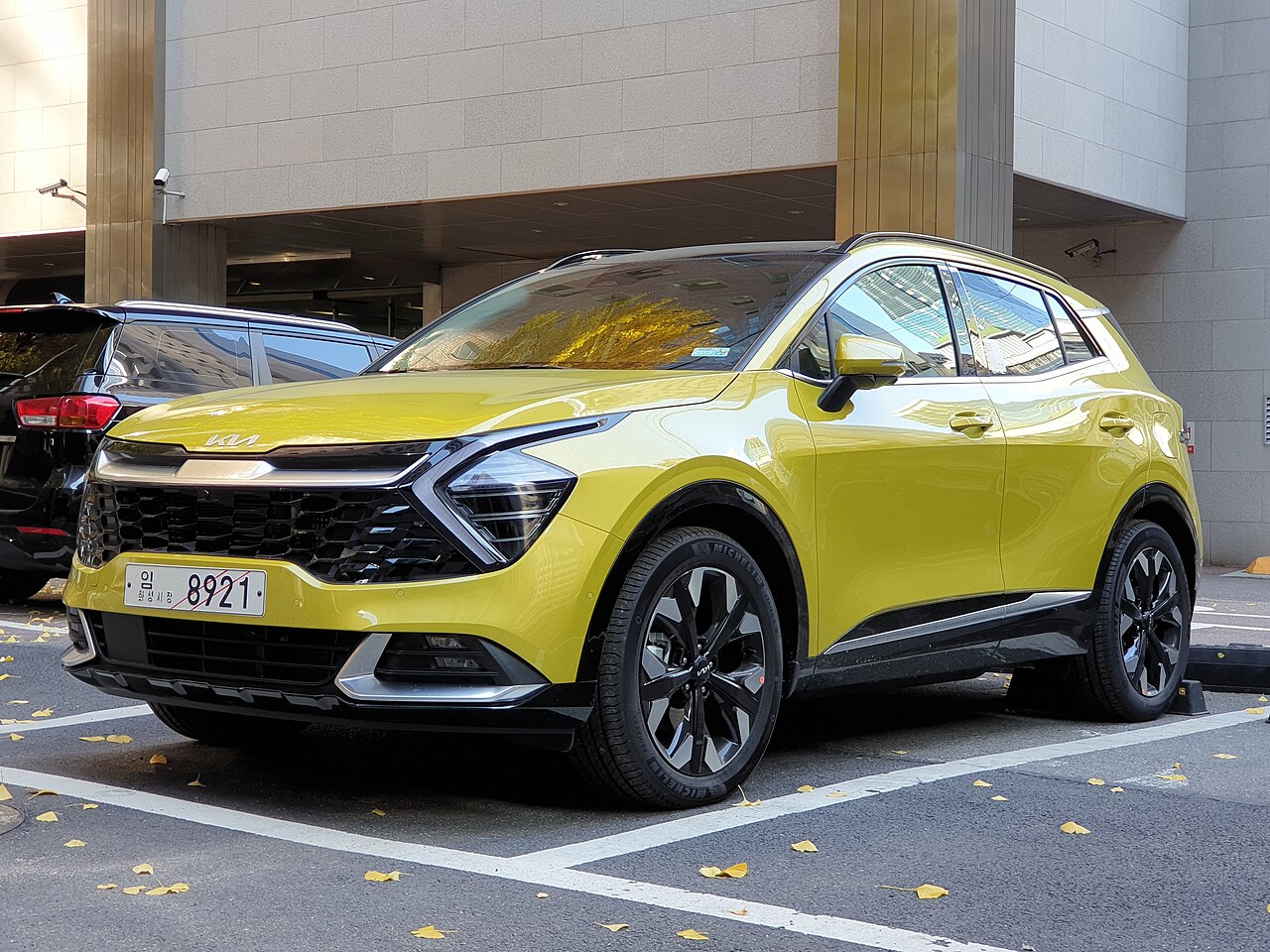
Potential buyers valuing maximum EPA range and faster charging are likely to favor the BMW 550e sedan, especially for longer-distance travel and flexibility. Those prioritizing higher energy efficiency, particularly for city driving, may find the Volvo EX90 SUV more appealing, despite its shorter range and longer charging time. The SUV form factor might also attract families or buyers needing more cargo and passenger space.
| Specification | BMW 550e | Volvo EX90 |
|---|---|---|
| EPA Range | 430 miles | 310 miles |
| Combined MPGe | 25 MPGe | 89 MPGe |
| City MPGe | 22 MPGe | 94 MPGe |
| Highway MPGe | 28 MPGe | 83 MPGe |
| Level 2 Charging Time (240V) | 2 hours | 11 hours |
| NHTSA Recalls | 0 recalls | 0 recalls |
Frequently Asked Questions
Which vehicle offers the longest EPA range?
The 2027 BMW 550e has a longer EPA range of 430 miles compared to the Volvo EX90’s 310 miles.
How do the vehicles compare on energy efficiency?
The Volvo EX90 is more energy efficient with a combined rating of 89 MPGe, much higher than the BMW 550e’s 25 MPGe.
What are the charging times for these EVs?
The BMW 550e takes about 2 hours to charge at 240V, far quicker than the Volvo EX90’s 11 hours.
Are there any recalls on these 2027 models?
Neither the BMW 550e nor the Volvo EX90 has any recalls reported by NHTSA as of the latest data.
Which vehicle suits urban driving better?
The Volvo EX90 with its higher city MPGe of 94 MPGe is more efficient for city driving compared to the BMW 550e’s 22 MPGe.
Conclusion: Comparing EPA Range and Recalls for 2027 BMW and Volvo EVs
Buyers choosing between the 2027 BMW 550e and Volvo EX90 face a balance between range, efficiency, and charging speed. The BMW 550e stands out for exceptional EPA range and rapid Level 2 charging, ideal for longer trips and quicker turnaround times. The Volvo EX90 offers superior energy efficiency, especially in city environments, and an SUV layout appealing to family use, though charging takes notably longer. Importantly, neither EV has any current NHTSA recalls, reassuring buyers about their safety and reliability in 2027. Ultimately, the choice hinges on buyer priorities—extended range and fast recharge vs. efficiency and space.
Data Sources
- EPA Fuel Economy Data: fueleconomy.gov
- NHTSA Recall Data: NHTSA API