Best Electric Cars · EVCar Data Desk
Volvo EX90 vs BMW M5: EPA Range and Recall Data Compared
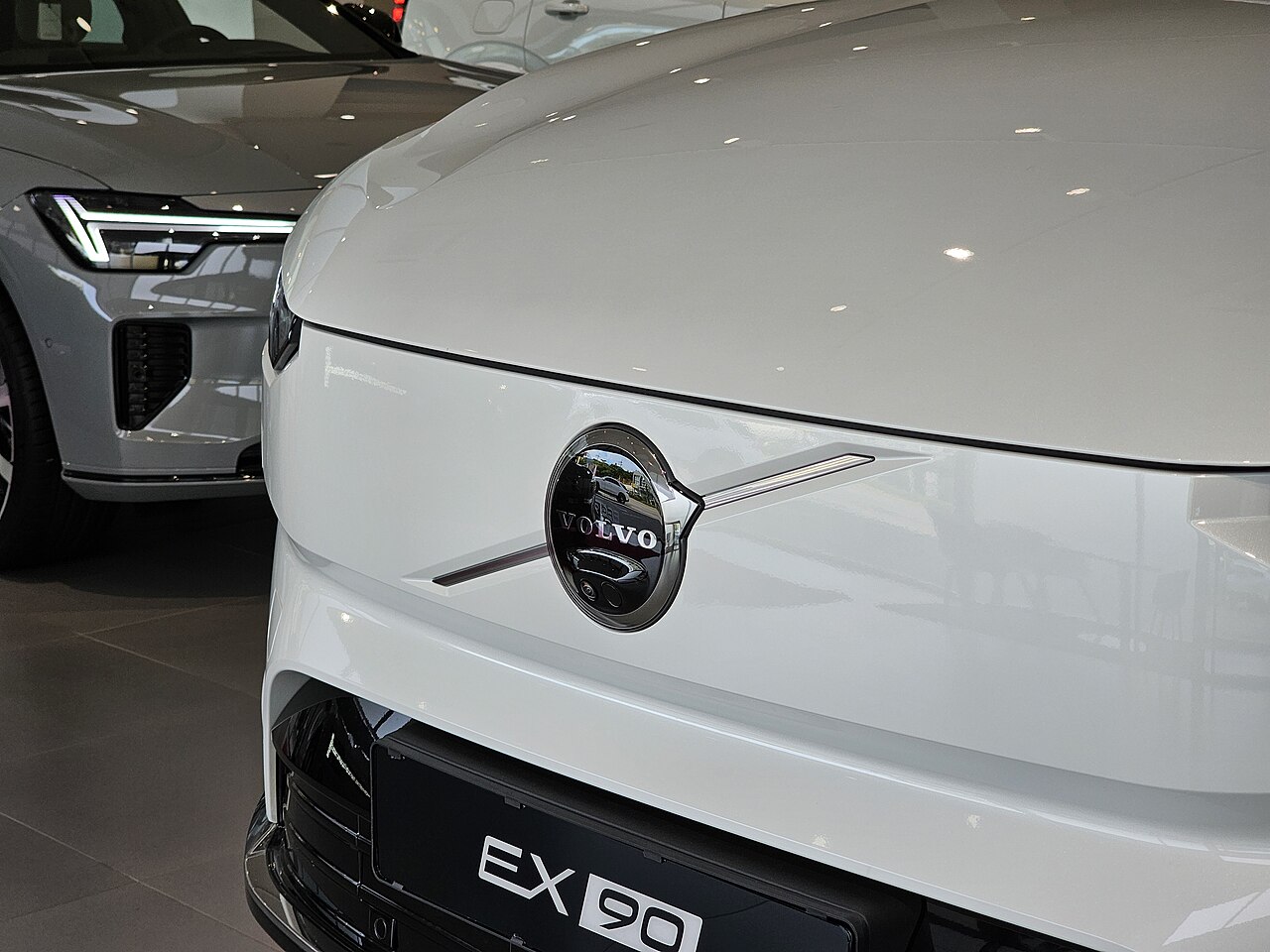
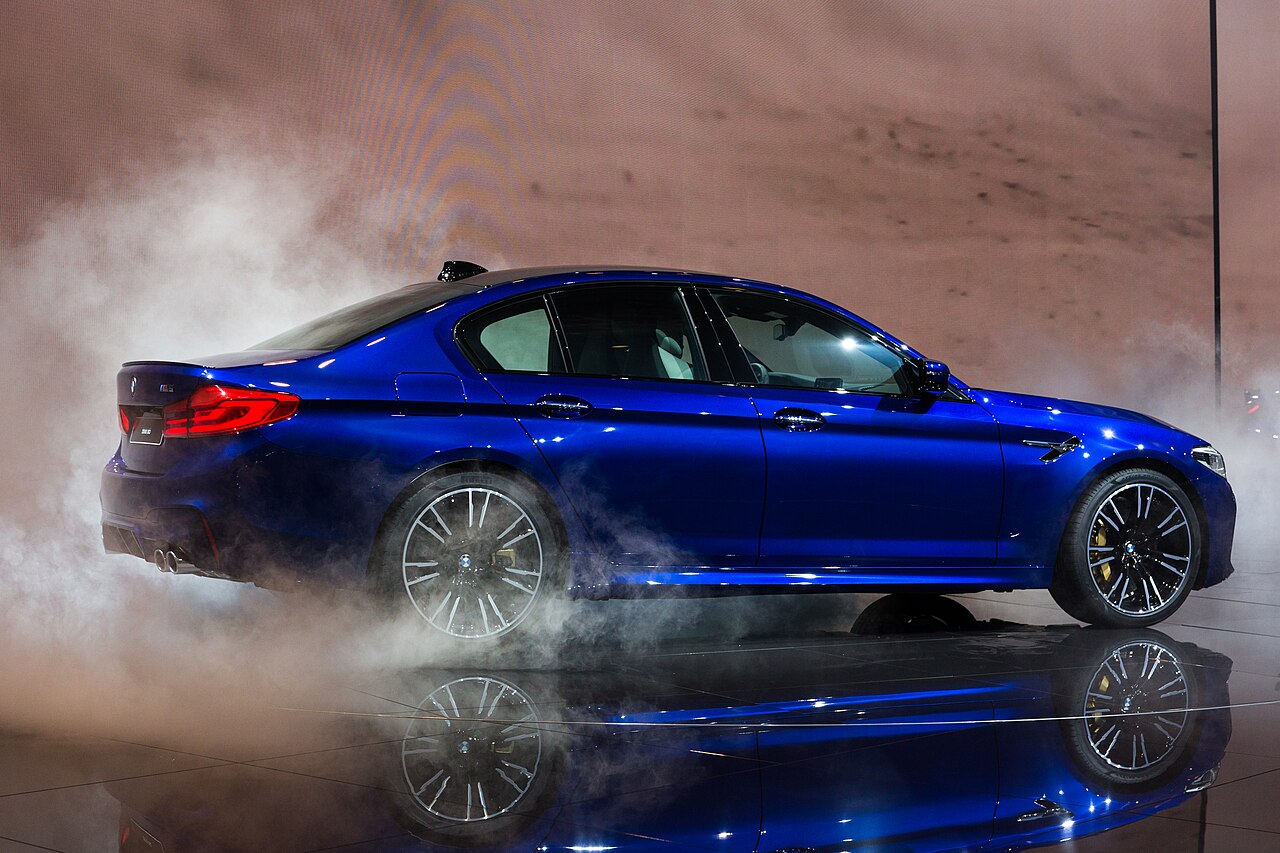
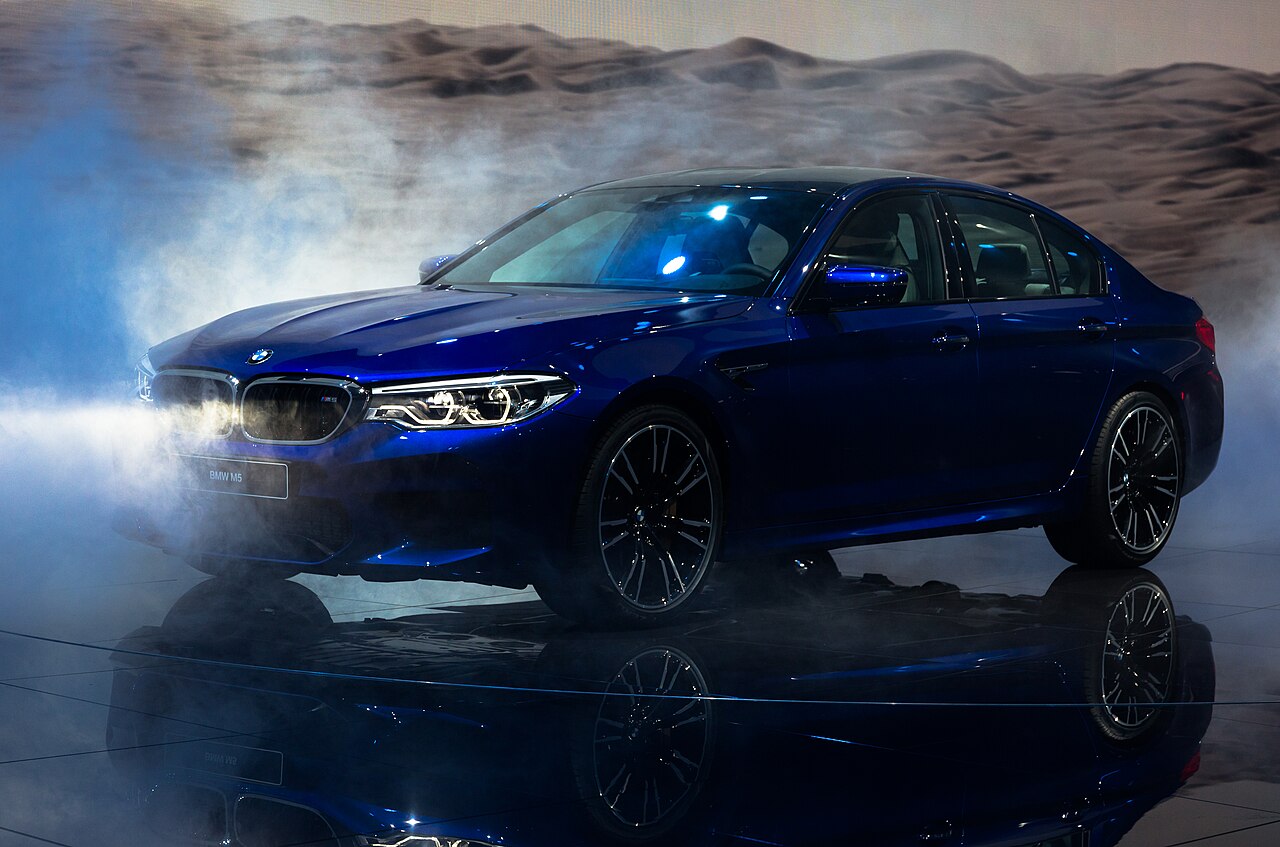
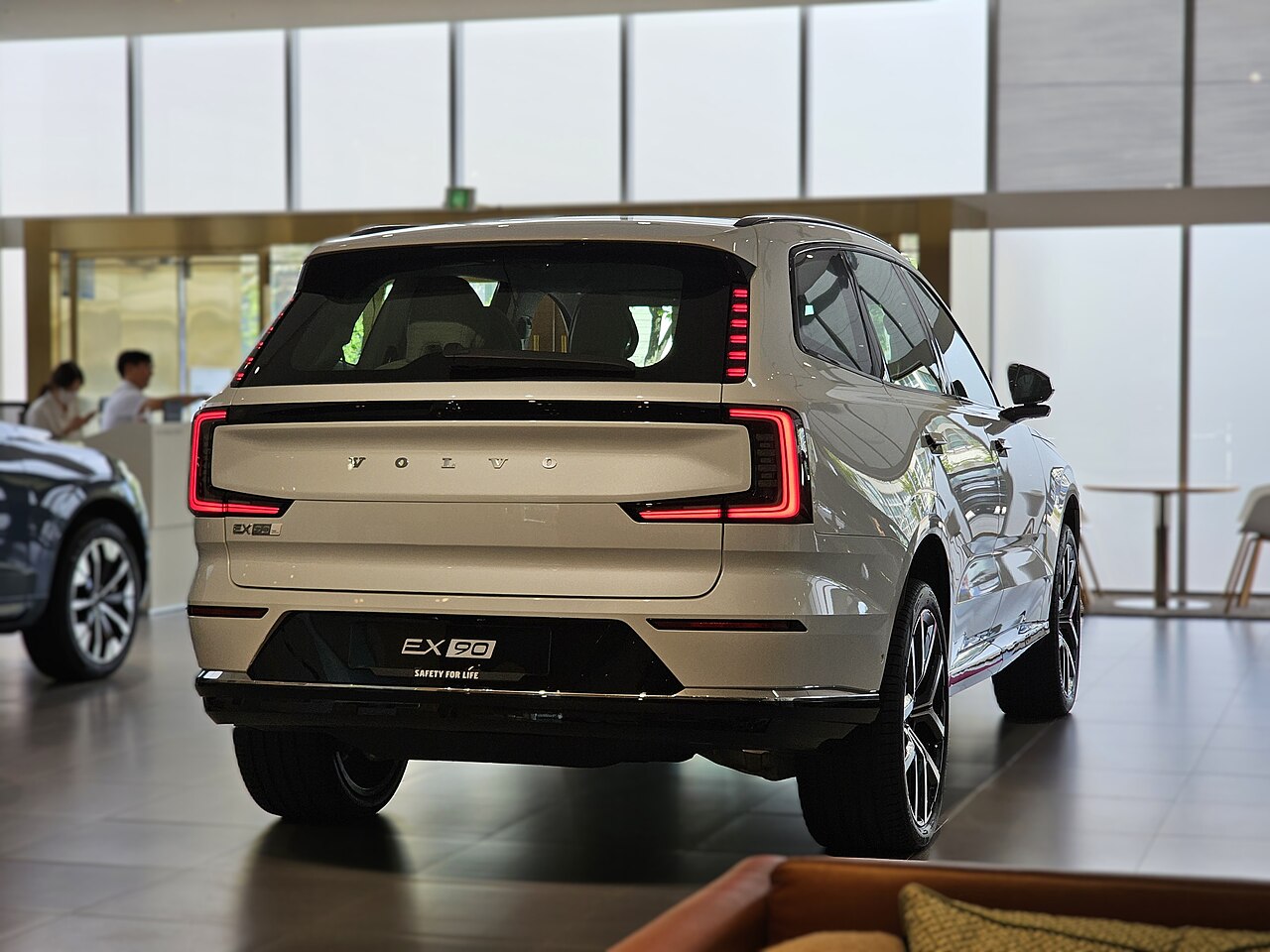
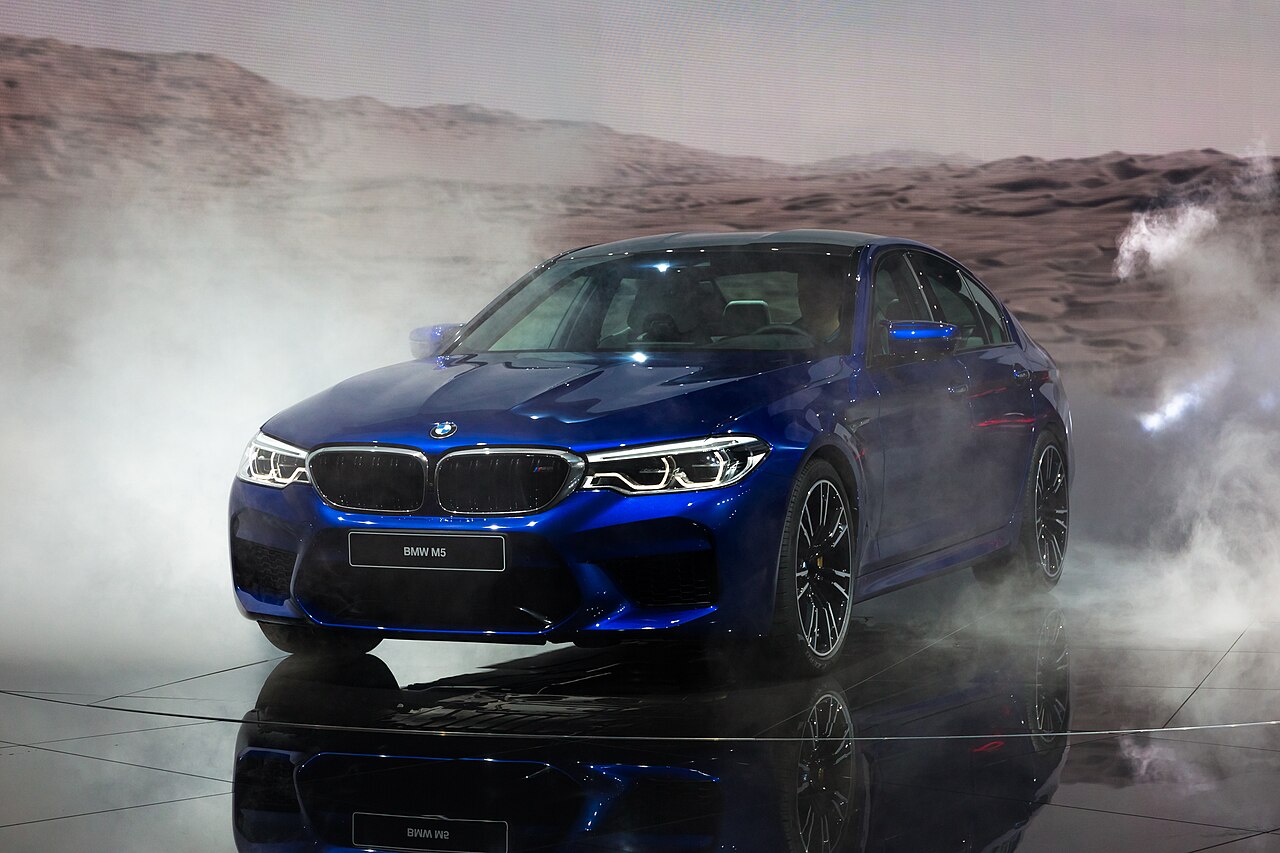
The 2027 Volvo EX90 Twin Motor Performance SUV provides a longer EPA range and greater energy efficiency than the 2027 BMW M5 sedan, despite their shared zero recall history according to NHTSA. Buyers seeking electric performance and reliability with maximum driving distance will appreciate the EX90’s advantages in all-electric operation.
Key Findings
- The Volvo EX90 achieves an EPA range of 300 miles, exceeding the BMW M5’s 280 miles.
- The EX90 provides a superior combined MPGe of 87 MPGe versus the M5’s 14 MPGe, reflecting far better electric efficiency.
- Both vehicles have zero recalls reported by NHTSA, indicating strong initial safety and build quality.
- The EX90’s city and highway MPGe values are 92 MPGe and 82 MPGe, respectively, much higher than the M5’s 12 MPGe city and 19 MPGe highway figures.
- The BMW M5 offers a much faster EPA 240V charging time of 2 hours, while the Volvo EX90 requires 11 hours to reach full charge.
EPA Range Comparison
Range is crucial for buyers who regularly drive long distances or want to reduce charging frequency. The Volvo EX90’s EPA estimated range of 300 miles surpasses the BMW M5’s 280 miles. While the difference may appear modest, the EX90’s extended range offers more flexibility for daily errands, commutes, or road trips without frequent recharging stops.
Efficiency and Fuel Economy Ratings
The EX90’s combined MPGe of 87 versus the M5’s 14 demonstrates a significant efficiency advantage. MPGe (miles per gallon equivalent) estimates how far a vehicle can travel electrically using the energy equivalent to one gallon of gasoline. Higher MPGe values indicate less energy consumption for the same range.
Breaking it down further, the EX90 achieves 92 MPGe in the city and 82 MPGe on the highway, underscoring excellent urban and highway electric efficiency. The M5’s ratings are much lower at 12 MPGe city and 19 MPGe highway, reflecting a traditional midsize car with likely a plug-in hybrid or gasoline engine rather than a pure EV configuration.
Charging Speed Considerations
Charging times can impact convenience for users who rely on electric power daily. The BMW M5 has a much faster EPA 240V charge time of 2 hours, enabling quicker turnaround for longer trips or daily schedules. In contrast, the Volvo EX90 requires 11 hours at 240V, indicating longer charging sessions likely requiring overnight charging or extended stops.
This difference suggests the EX90’s larger battery or slower charging capability, meaning buyers must plan charging downtime accordingly.
Recall History and Vehicle Reliability
According to NHTSA data, neither the 2027 Volvo EX90 nor the BMW M5 currently have any vehicle recalls (0 and 0 respectively). This clean recall history points to well-engineered safety and build quality at launch, but buyers should monitor for future updates as new issues sometimes emerge post-release.
Who Should Choose the Volvo EX90?
The Volvo EX90 suits drivers prioritizing maximum EPA range, electric efficiency, and SUV practicality. Its longer range and higher MPGe make it better for those whose daily routines include electric-only driving and longer trips on battery power. It is ideal for buyers looking for a zero-emission vehicle with premium features and acceptable charging times balanced by extended electric range.
Who Should Choose the BMW M5?
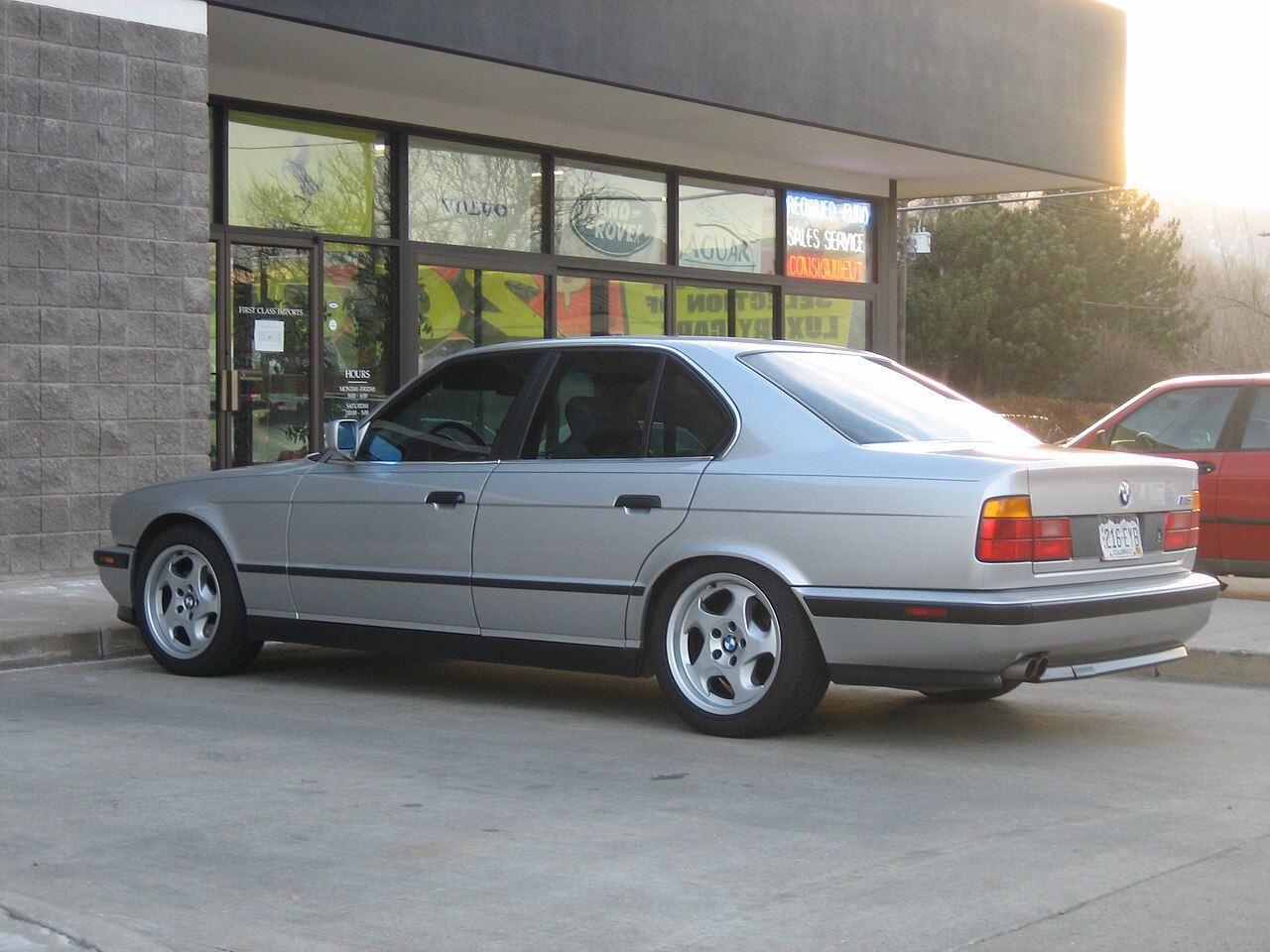
The BMW M5 appeals to buyers wanting a high-performance midsize sedan with quicker plug-in charging capability despite lower electric range and efficiency. Its faster 240V charging time suits users needing rapid charge cycles with shorter stops. It likely integrates traditional and electrified powertrains, appealing to performance-oriented drivers who accept less EV range for faster refueling.
Summary of Key Metrics
| Metric | Volvo EX90 | BMW M5 |
|---|---|---|
| EPA Electric Range | 300 miles | 280 miles |
| Combined MPGe | 87 MPGe | 14 MPGe |
| City MPGe | 92 MPGe | 12 MPGe |
| Highway MPGe | 82 MPGe | 19 MPGe |
| EPA 240V Charge Time | 11 hours | 2 hours |
| NHTSA Recalls | 0 recalls | 0 recalls |
Frequently Asked Questions
Which vehicle offers the longest EPA range?
The 2027 Volvo EX90 offers a slightly longer EPA electric range of 300 miles compared to the BMW M5’s 280 miles.
How do the vehicles compare in electric efficiency?
The Volvo EX90 significantly outperforms the BMW M5 with a combined MPGe of 87 versus 14, indicating much better electric energy usage.
Are there any known recalls for these 2027 models?
Neither the Volvo EX90 nor the BMW M5 have any NHTSA recalls as of the latest data.
Which car charges faster on a 240V Level 2 charger?
The BMW M5 charges faster with a 240V charge time of about 2 hours, while the Volvo EX90 requires much longer at 11 hours.
Who is the ideal buyer for each vehicle?
The Volvo EX90 fits those wanting a longer all-electric range and better energy efficiency in an SUV form factor. The BMW M5 is suited for buyers prioritizing performance and faster charging in a sedan configuration.
Conclusion
Between the 2027 Volvo EX90 and BMW M5, the EX90 stands out with superior electric range and energy efficiency, plus a similarly clean recall history. The Volvo caters to buyers focusing on electric driving practicality and longer range, while the BMW M5 offers quick charging and performance at the cost of lower efficiency and range. Both vehicles being recall-free is reassuring, but your choice will depend on your preference for electric range versus charging speed and vehicle style.
Data Sources
- EPA Fuel Economy Data: EPA Vehicle Data
- NHTSA Recall Data: NHTSA Recalls API