Best Electric Cars · EVCar Data Desk
Volvo EX90 Outperforms BMW M5 Touring on EPA Range and Efficiency in 2027
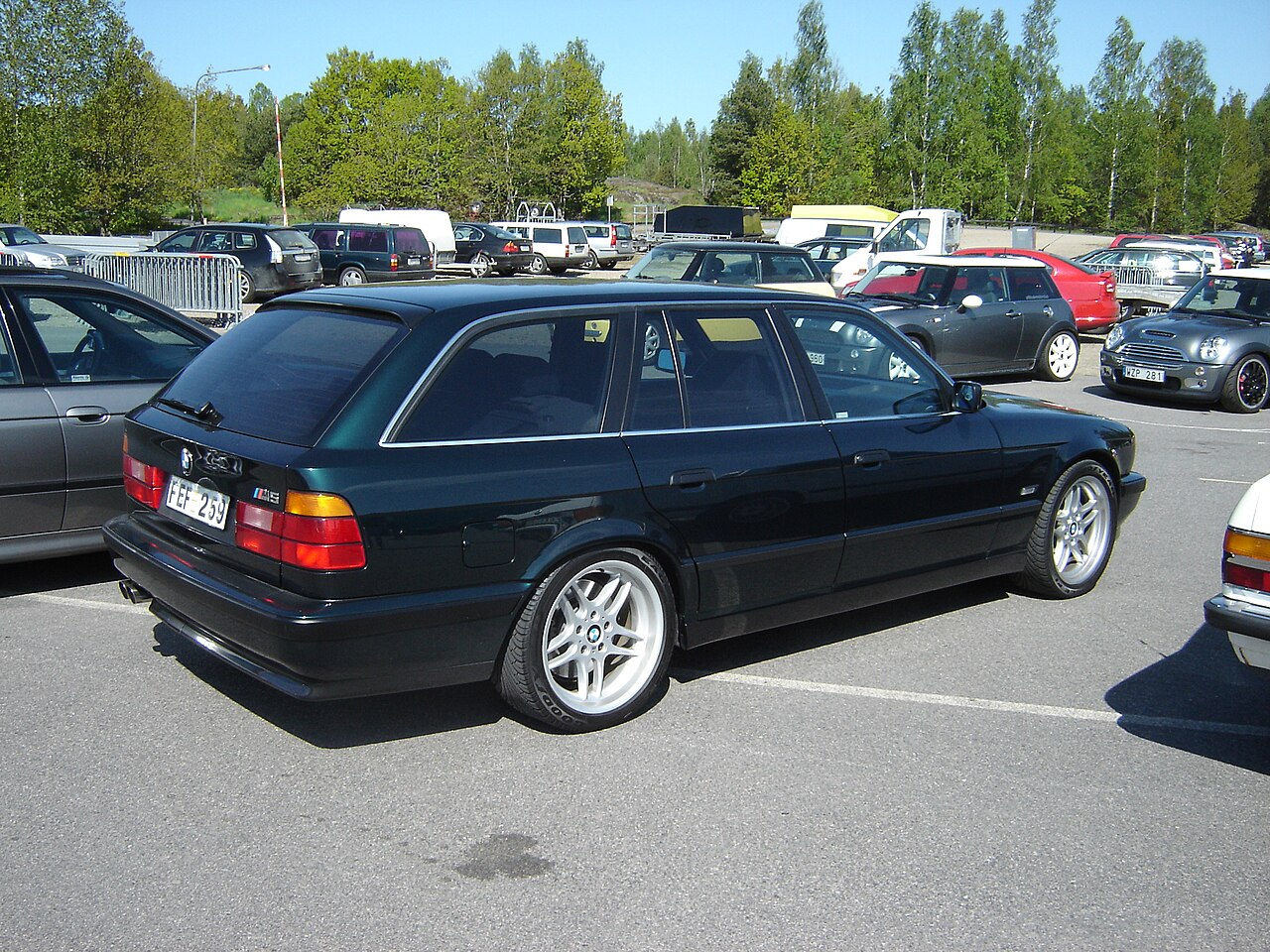
When choosing between the 2027 Volvo EX90 Twin Motor Performance SUV and the 2027 BMW M5 Touring station wagon, the Volvo offers a significantly longer EPA-rated electric driving range and higher efficiency. Both vehicles share a clean recall record as of 2026, placing the focus squarely on their EPA ratings and usability for buyers. The Volvo’s longer charging time contrasts with the BMW’s faster recharge capability.
Key Findings
- The Volvo EX90 delivers an EPA range of 310 miles, outlasting the BMW M5 Touring's 270 miles.
- Volvo's efficiency is markedly better, with a combined EPA rating of 89 MPGe, compared to BMW's 13 MPGe.
- Charging time at 240V is longer for the Volvo at 11 hours, while the BMW recharges in just 2 hours.
- Both vehicles have no NHTSA recalls reported, indicating strong initial safety and compliance records for 2027 models.
- The Volvo achieves better city MPGe (94) while BMW has better highway MPGe (17), but overall efficiency heavily favors Volvo.
EPA Range Comparison: Which Goes Farther?
The EPA determines electric range by simulating typical driving conditions, providing an estimate of how far an electric vehicle can travel on a full charge. The Volvo EX90’s 310-mile EPA range surpasses the BMW M5 Touring’s 270-mile rating by a notable margin. For buyers prioritizing longer distance per charge, the Volvo stands out, particularly given its SUV capabilities and 4WD configuration.
Efficiency Matters: Combined MPGe Insights
A significant gap appears in combined MPGe between these vehicles. The Volvo’s 89 MPGe rating indicates it uses energy far more efficiently compared to the BMW’s 13 MPGe. This efficiency translates into lower electric energy consumption per mile, impacting the cost and environmental footprint of daily driving. Buyers focused on efficiency and economy will strongly favor the Volvo.
City vs Highway Efficiency
Breaking down efficiency further, the Volvo delivers 94 MPGe in city driving and 83 MPGe on highways, whereas the BMW shows 11 MPGe city and 17 MPGe highway. This wide disparity illustrates the Volvo’s suitability for urban and mixed driving environments. The BMW’s relatively low MPGe values illustrate either a plugin hybrid with gasoline or conventional fuel consumption or a data label focused less on electric efficiency.
Charging Time: Convenience and Usability
The BMW M5 Touring charges fully in just 2 hours on a 240V Level 2 charger, greatly enhancing convenience for frequent drivers needing rapid turnaround. Conversely, the Volvo takes significantly longer at 11 hours. Prospective owners should consider their typical charging patterns—daytime charging at home or slow overnight sessions would suit the Volvo, while those requiring faster daily replenishment may appreciate BMW’s shorter time.
Recall History: Safety and Reliability
According to the National Highway Traffic Safety Administration (NHTSA), neither the Volvo EX90 nor the BMW M5 Touring have recalls reported as of mid-2026. This lack of recalls for 2027 model year vehicles reassures buyers regarding initial safety compliance and absence of known critical issues.
Who Should Consider Each Vehicle?
The Volvo EX90 is a solid choice for buyers wanting a long-range, efficient electric SUV with advanced electric-only capability and zero recall history. It caters well to those valuing range and electric efficiency over charging speed. Its SUV format suits families or those needing towing and AWD capability.
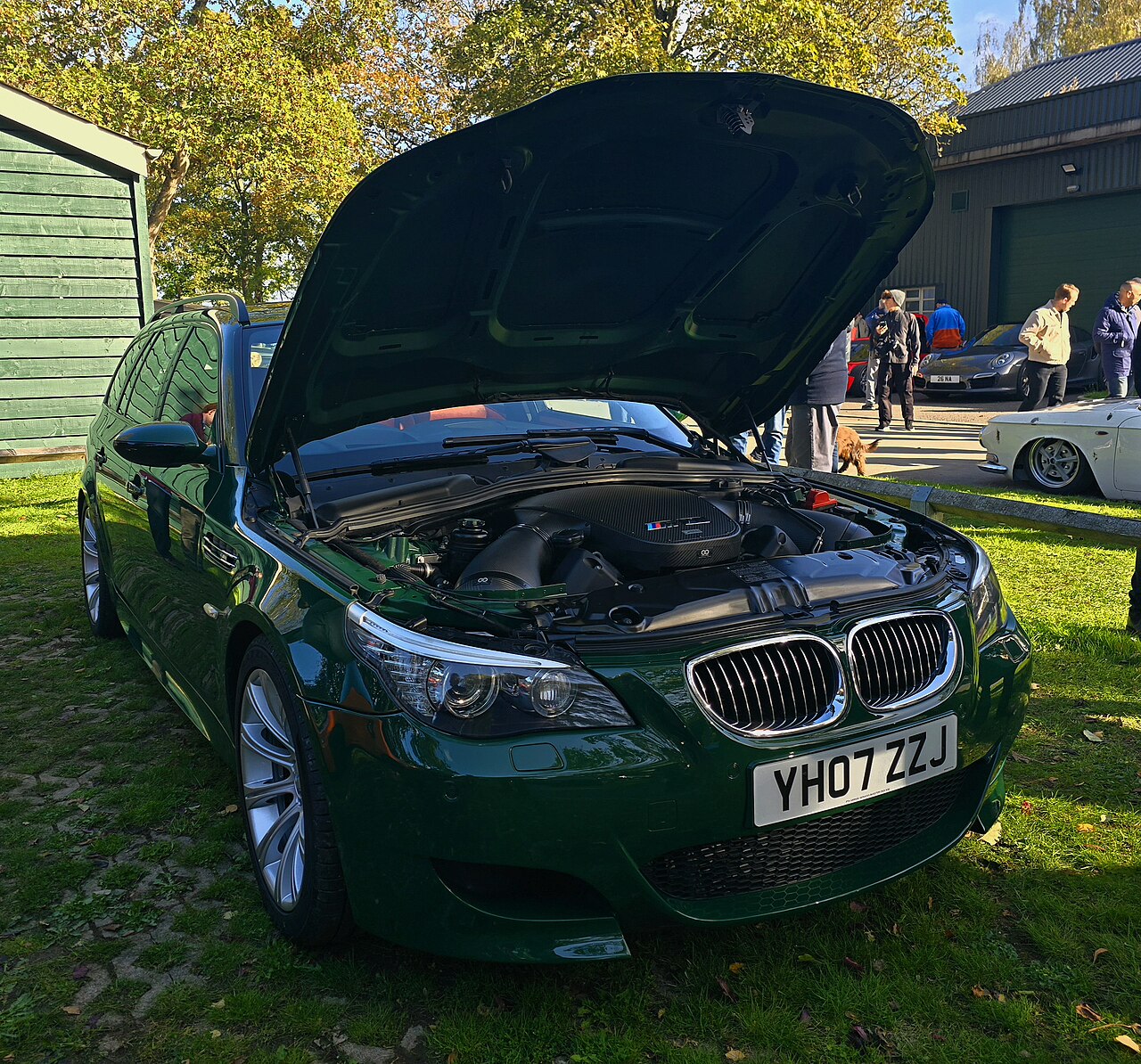
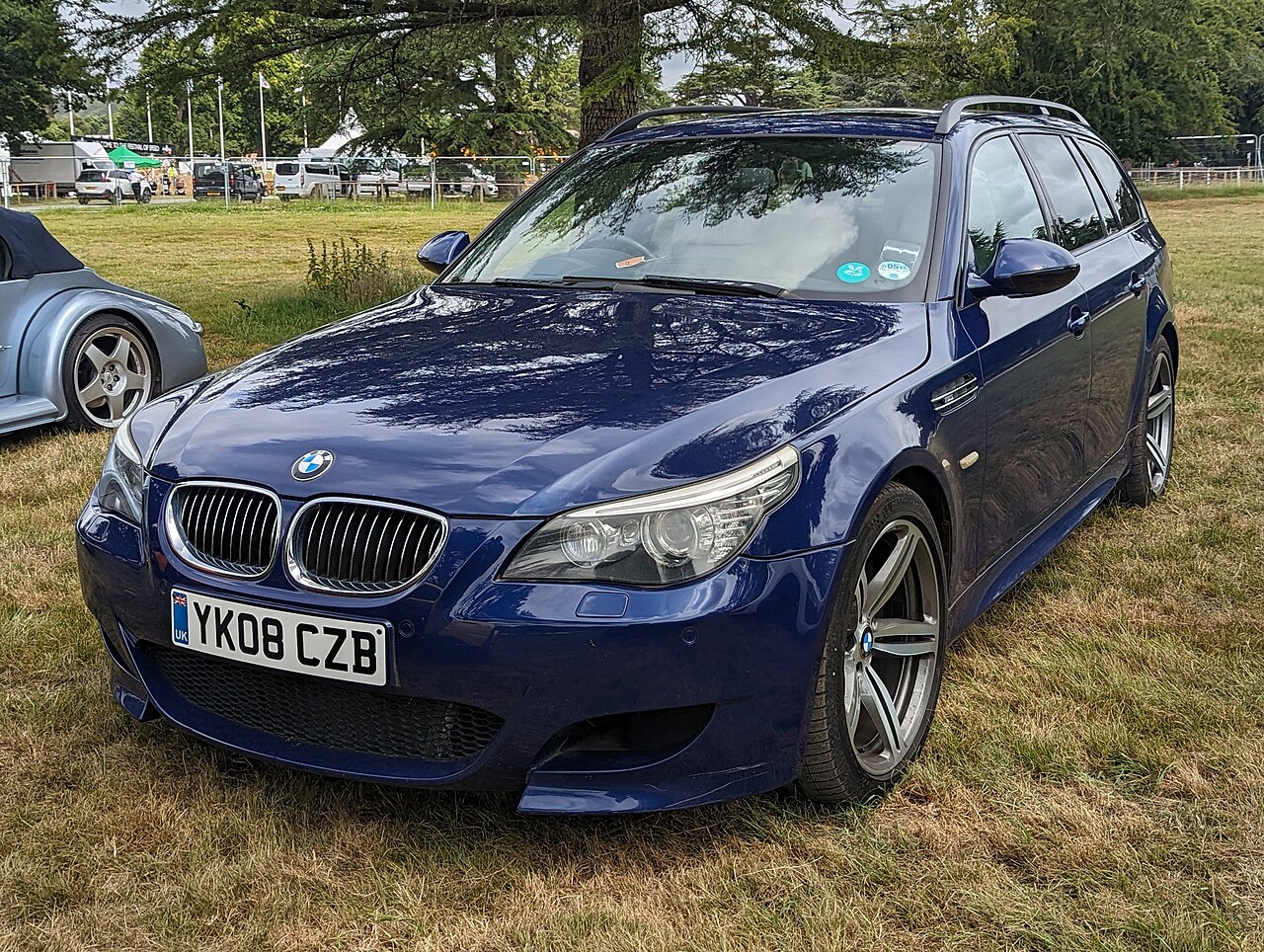
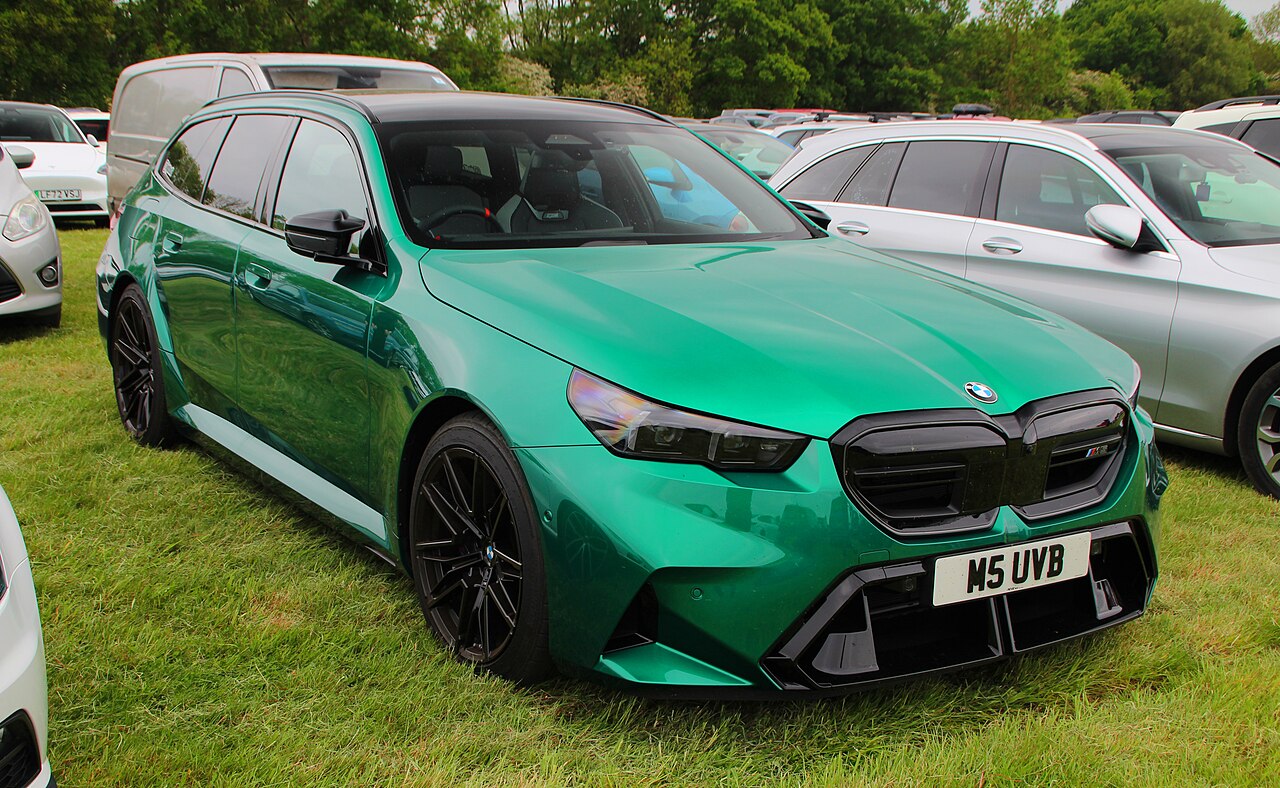
Meanwhile, the BMW M5 Touring appeals to buyers desiring a performance midsize station wagon with faster Level 2 charging and who may prioritize brand or driving dynamics. Its notably lower electric MPGe suggests it may rely more on hybrid powertrains or gasoline, which impacts fuel cost and emissions differently.
| Model | EPA Range | Combined MPGe | City MPGe | Highway MPGe | Level 2 Charge Time | NHTSA Recalls |
|---|---|---|---|---|---|---|
| Volvo EX90 Twin Motor Performance 4WD | 310 miles | 89 MPGe | 94 MPGe | 83 MPGe | 11 hours | 0 recalls |
| BMW M5 Touring Midsize Station Wagon | 270 miles | 13 MPGe | 11 MPGe | 17 MPGe | 2 hours | 0 recalls |
Frequently Asked Questions
Which vehicle has a longer EPA electric range?
The Volvo EX90 Twin Motor Performance SUV offers a longer EPA range of 310 miles compared to the BMW M5 Touring's 270 miles.
What are the combined MPGe ratings for these models?
The Volvo has a combined MPGe of 89, significantly higher than the BMW's 13, indicating better electric efficiency.
How do their charging times compare?
The BMW M5 Touring charges faster in about 2 hours at 240V, while the Volvo takes approximately 11 hours.
Are there any recalls reported for these 2027 vehicles?
Both the Volvo EX90 and the BMW M5 Touring have zero reported recalls from NHTSA as of 2026.
Which vehicle is more suited to city driving efficiency?
The Volvo EX90 is more efficient in city driving with 94 MPGe compared to BMW’s 11 MPGe.
Conclusion
For 2027 buyers prioritizing pure electric driving range, efficiency, and a clean recall record, the Volvo EX90 Twin Motor Performance SUV delivers a compelling package. It offers longer range, significantly greater MPGe, and zero recalls, making it well-suited for eco-conscious drivers seeking electric SUV versatility. The BMW M5 Touring, while offering faster Level 2 charging and a lower recall risk, displays much lower electric efficiency and shorter EPA range, suggesting it likely uses hybrid power or gasoline more extensively. Choosing between these models depends heavily on buyer priorities: Volvo leads in electric range and efficiency, BMW excels in charging speed and traditional performance wagon appeal.