Tesla Alternatives · EVCar Data Desk
Kia Sportage PHEV vs Tesla Model Y RWD: Range and Efficiency Compared
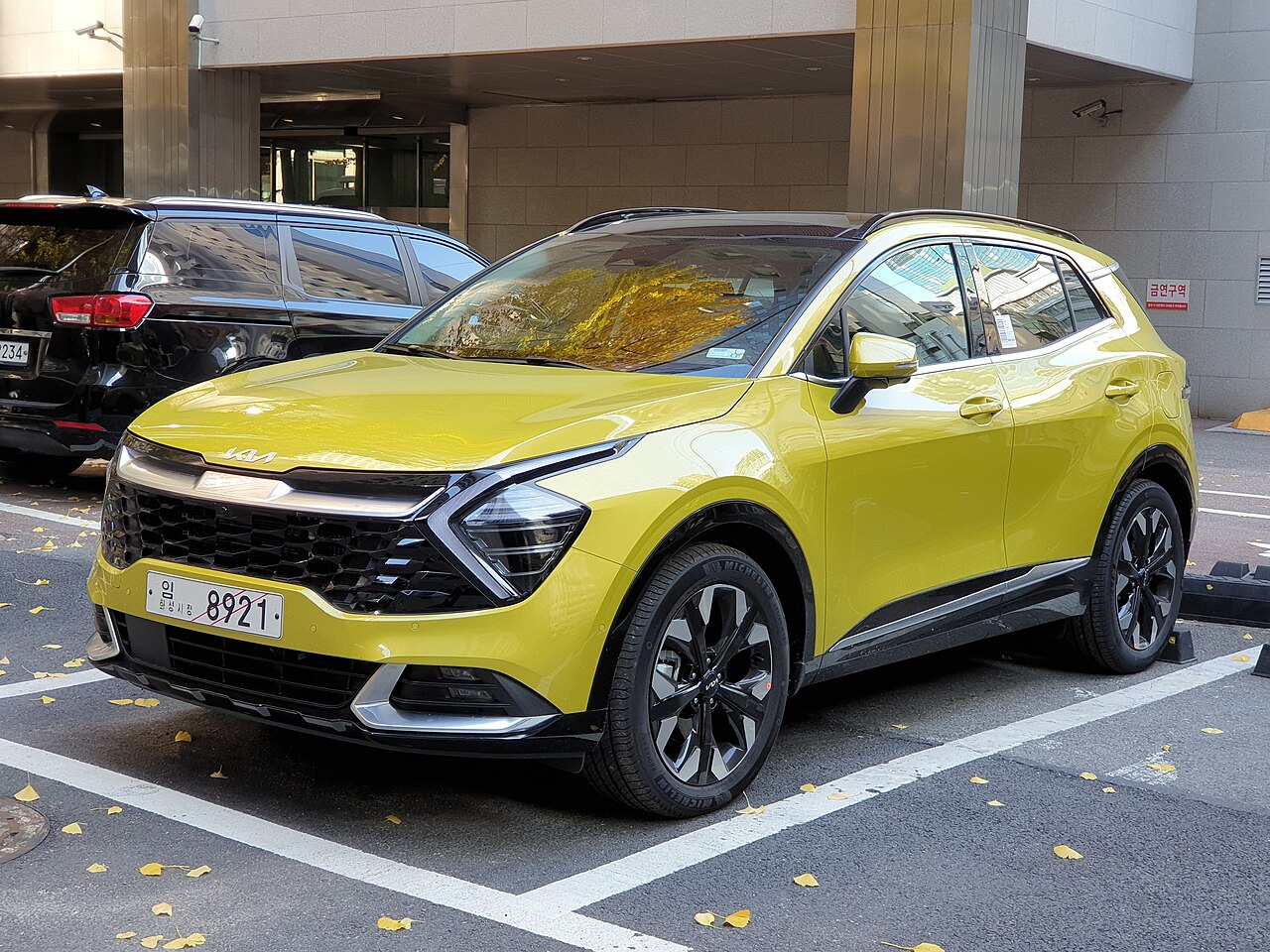
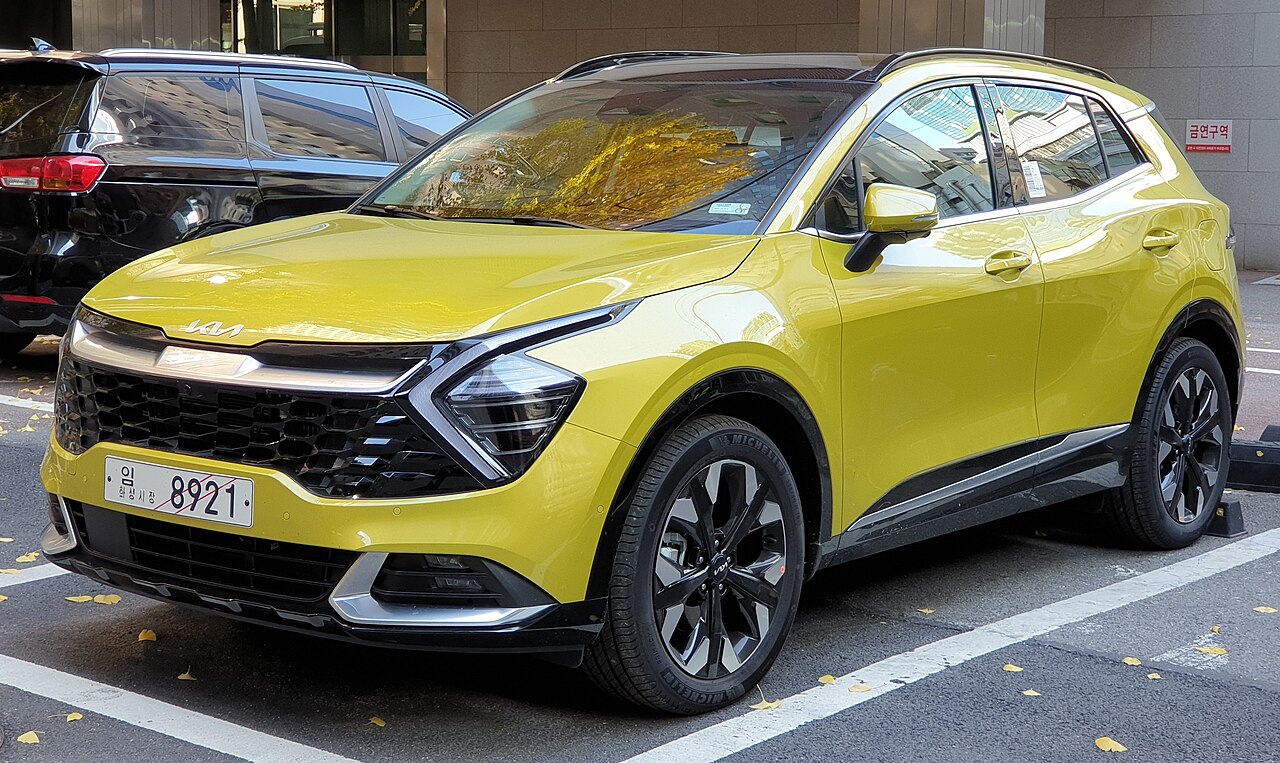
For shoppers considering a compact SUV with electric capabilities, choosing between a plug-in hybrid like the 2027 Kia Sportage and a fully electric vehicle such as the 2026 Tesla Model Y Standard RWD involves weighing tradeoffs in electric efficiency, total EPA-estimated driving range, and charging convenience.
Key Findings
- The Kia Sportage PHEV offers an EPA total range of 470 miles, significantly higher than the Tesla Model Y Standard RWD's EPA range of 303 miles.
- Despite its lower total range, the Tesla Model Y achieves a much higher combined MPGe of 131 MPGe versus the Kia's 36 MPGe, reflecting superior electric efficiency.
- Neither vehicle currently has any reported NHTSA recalls, indicating comparable safety records for these model years.
- The Kia's plug-in hybrid powertrain enables a quicker EPA estimated Level 2 (240V) charge time of 2 hours, compared to the Tesla's 10 hours, due to its smaller battery and hybrid design.
- City and highway MPGe ratings are close for the Kia PHEV, at 35 MPGe and 36 MPGe, respectively, while the Tesla’s city MPGe is somewhat higher at 142 MPGe and highway at 120 MPGe.
Understanding EPA Range: Total vs. Electric-Only
The EPA range number for the Tesla Model Y Standard RWD strictly represents its electric-only driving capability, which is 303 miles. This fully electric range reflects the total distance the Tesla can travel on a single full battery charge without using any gasoline or other fuel sources.
In contrast, the 470-mile EPA range for the Kia Sportage PHEV includes both its electric and gasoline driving ranges combined. As a plug-in hybrid, the Sportage can switch from electric power to gasoline power once its battery depletes, extending the total driving range on a single tank of fuel plus battery charge.
For buyers prioritizing long-distance driving without frequent charging stops, the Kia may appeal due to this extensive combined range. However, it’s important to remember that only a portion of that distance is on electric power alone.
Electric Efficiency: Tesla’s Clear Advantage
Measured in MPGe (miles per gallon gasoline equivalent), electric efficiency shows how effectively a vehicle uses electric energy. The Tesla Model Y Standard RWD surpasses the Kia Sportage PHEV with a combined MPGe of 131, more than triple the Kia’s 36 MPGe.
This higher efficiency translates into lower electricity consumption per mile for the Tesla, reflecting its fully electric drivetrain optimized for efficiency. The Kia PHEV’s lower electric efficiency reflects its hybrid setup, additional weight, and powertrain design focused on balancing electric and gasoline usage.
City vs. Highway Efficiency
The Tesla Model Y’s city MPGe rating is 142 MPGe, while highway drops to 120 MPGe. Typically, electric vehicles achieve better efficiency in city driving due to regenerative braking and lower steady speeds.
The Kia Sportage’s MPGe ratings are closely matched with 35 MPGe in the city and 36 MPGe on the highway. This stability reflects its hybrid nature, where the gasoline engine helps maintain consistent efficiency across driving conditions.
Charging Times and Convenience
The Kia Sportage PHEV offers a much shorter Level 2 charging time of 2 hours, due to its smaller battery pack and hybrid system that does not rely solely on electricity for range.
The Tesla Model Y requires an EPA-estimated 10 hours for a full 240V recharge, reflecting its larger battery capacity and fully electric status. For Tesla owners, fast DC charging can significantly reduce charging times, but that is beyond the scope of the EPA Level 2 charging metric.
Recall Status and Safety Considerations
Both vehicles report zero NHTSA recalls as of the latest data, which suggests no widespread safety issues have been identified for these model years so far.
Buyers should, however, always remain aware of ongoing recall updates beyond initial release, especially for new model years and emerging technologies.
Who Should Consider Each Vehicle?
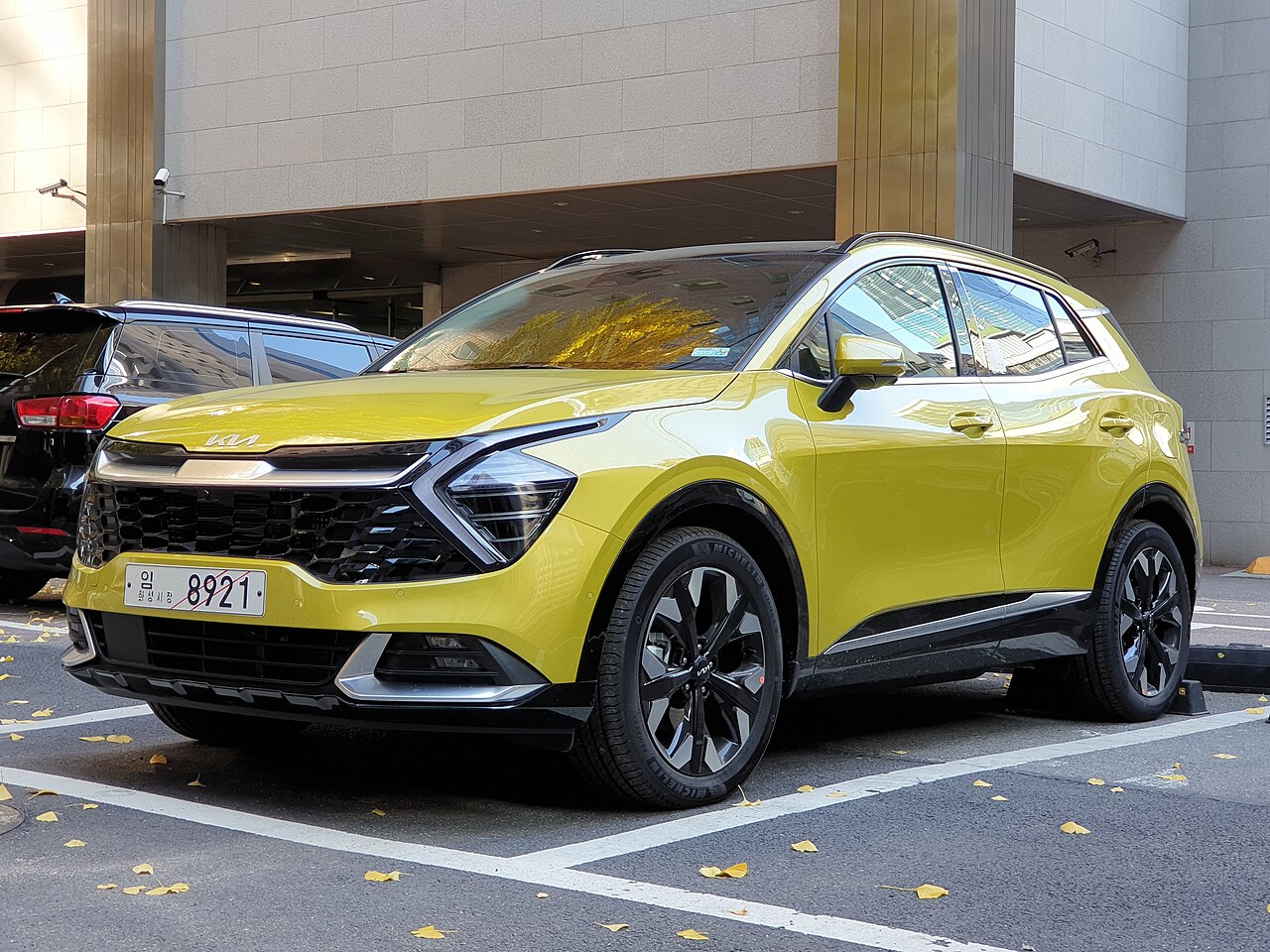
Kia Sportage PHEV: Ideal for drivers who want the flexibility of electric driving for daily commutes (with moderate electric efficiency) but need the extended total driving range and quick charging times offered by a plug-in hybrid system. Its 4WD capability suits those requiring some off-pavement traction and all-weather confidence.
Tesla Model Y Standard RWD: Best for buyers who prioritize a fully electric vehicle with high efficiency, strong city driving economy, and access to Tesla’s broad Supercharger network. The rear-wheel-drive 2WD setup suits those mostly operating in conditions where AWD is not essential.
Specifications Comparison Table
| Specification | 2027 Kia Sportage PHEV 4WD | 2026 Tesla Model Y Standard RWD (19") |
|---|---|---|
| EPA Total Range | 470 miles | 303 miles |
| Combined MPGe | 36 MPGe | 131 MPGe |
| City MPGe | 35 MPGe | 142 MPGe |
| Highway MPGe | 36 MPGe | 120 MPGe |
| Battery Charging Time (240V) | 2 hours | 10 hours |
| NHTSA Recall Count | 0 recalls | 0 recalls |
Frequently Asked Questions
Can the Kia Sportage PHEV run solely on electric power?
Yes, as a plug-in hybrid, it can operate on electricity alone for a limited distance before switching to its gasoline engine.
Does the Tesla Model Y offer all-wheel drive?
The 2026 Model Y Standard RWD version has rear-wheel drive only; AWD is available in other trims not covered here.
What explains the Tesla's higher MPGe compared to the Kia?
The Tesla’s fully electric drivetrain and battery optimization yield greater electric energy efficiency compared to the hybrid configuration in the Kia Sportage.
Are there any safety recalls for these models?
According to the latest NHTSA data, neither the 2027 Kia Sportage PHEV nor the 2026 Tesla Model Y Standard RWD have any recalls.
How long does it take to fully charge each vehicle at home using a Level 2 charger?
The Kia Sportage PHEV takes about 2 hours, while the Tesla Model Y requires around 10 hours for a full charge using 240V AC charging.
Conclusion: Evaluating Tradeoffs for Different Buyers
When choosing between the 2027 Kia Sportage Plug-in Hybrid and the 2026 Tesla Model Y Standard RWD, buyers must consider how they prioritize range, efficiency, and vehicle type. The Kia delivers a far longer total driving range by combining electric and gasoline power, along with quicker Level 2 charging times, appealing to those who need maximum range flexibility and 4WD capability.
Conversely, the Tesla Model Y offers a superior electric driving experience, with markedly higher MPGe ratings and a respectable all-electric range. It suits those focused on fully electrified driving with strong efficiency and access to Tesla’s charging ecosystem.
Both vehicles currently have no NHTSA recalls, indicating sound safety status. Ultimately, the decision hinges on whether buyers prioritize fully electric efficiency or extended range and hybrid versatility.